
Caring for the Land We Farm
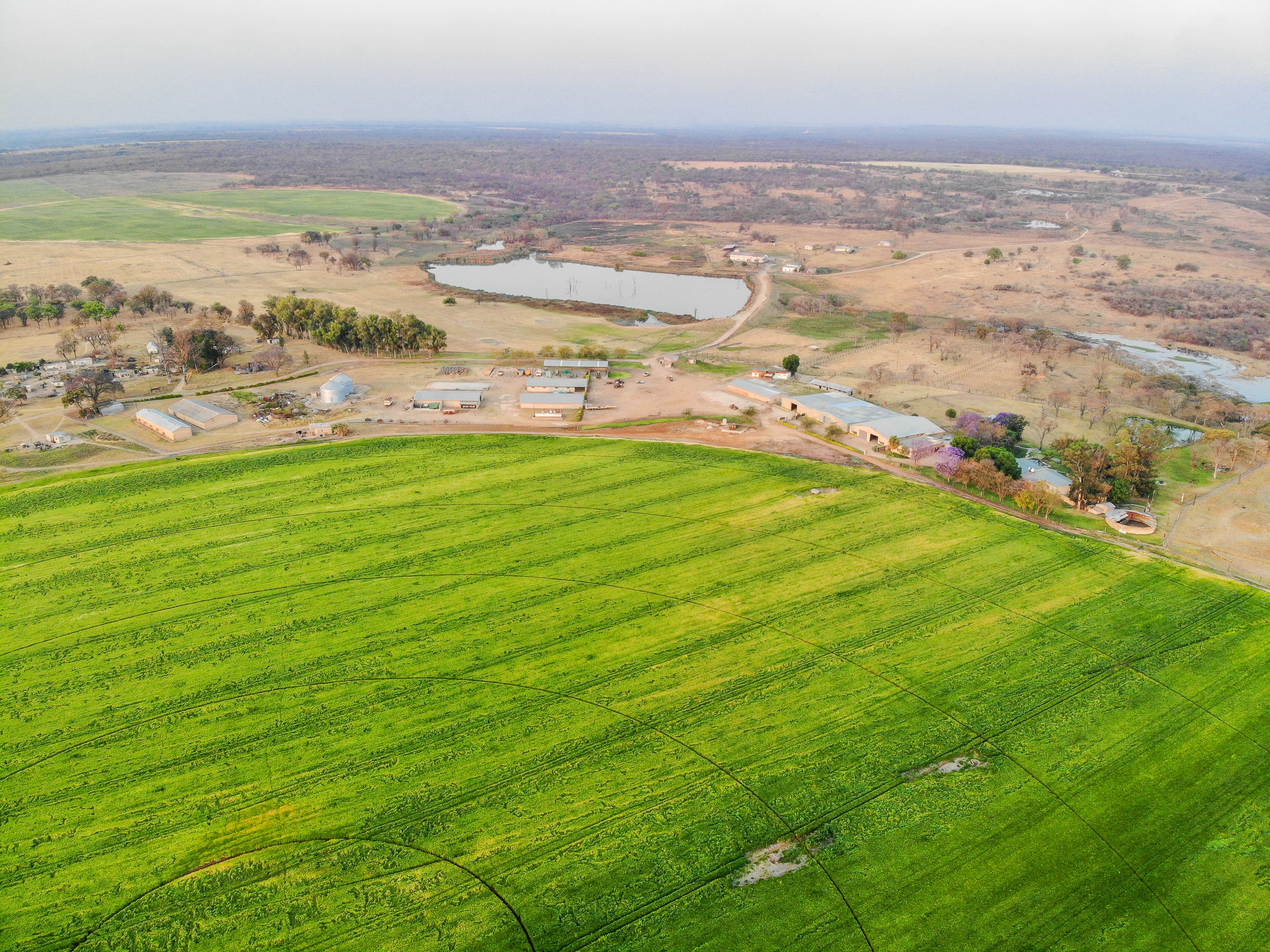
At Kwasamaita, conservation is not separate from farming, it is woven into every decision we make about how we use, rest, and restore our land.
Farming in balance with nature
We believe that a farm which depletes its land is a farm with no future. Kwasamaita's approach to conservation is practical and long-term: we manage our soils, water, and vegetation to remain productive for generations. This means rotational grazing, riparian buffer zones, indigenous tree planting, and a commitment to reducing chemical inputs wherever possible. Conservation here is not a programme — it is how we farm.
Rotational Grazing
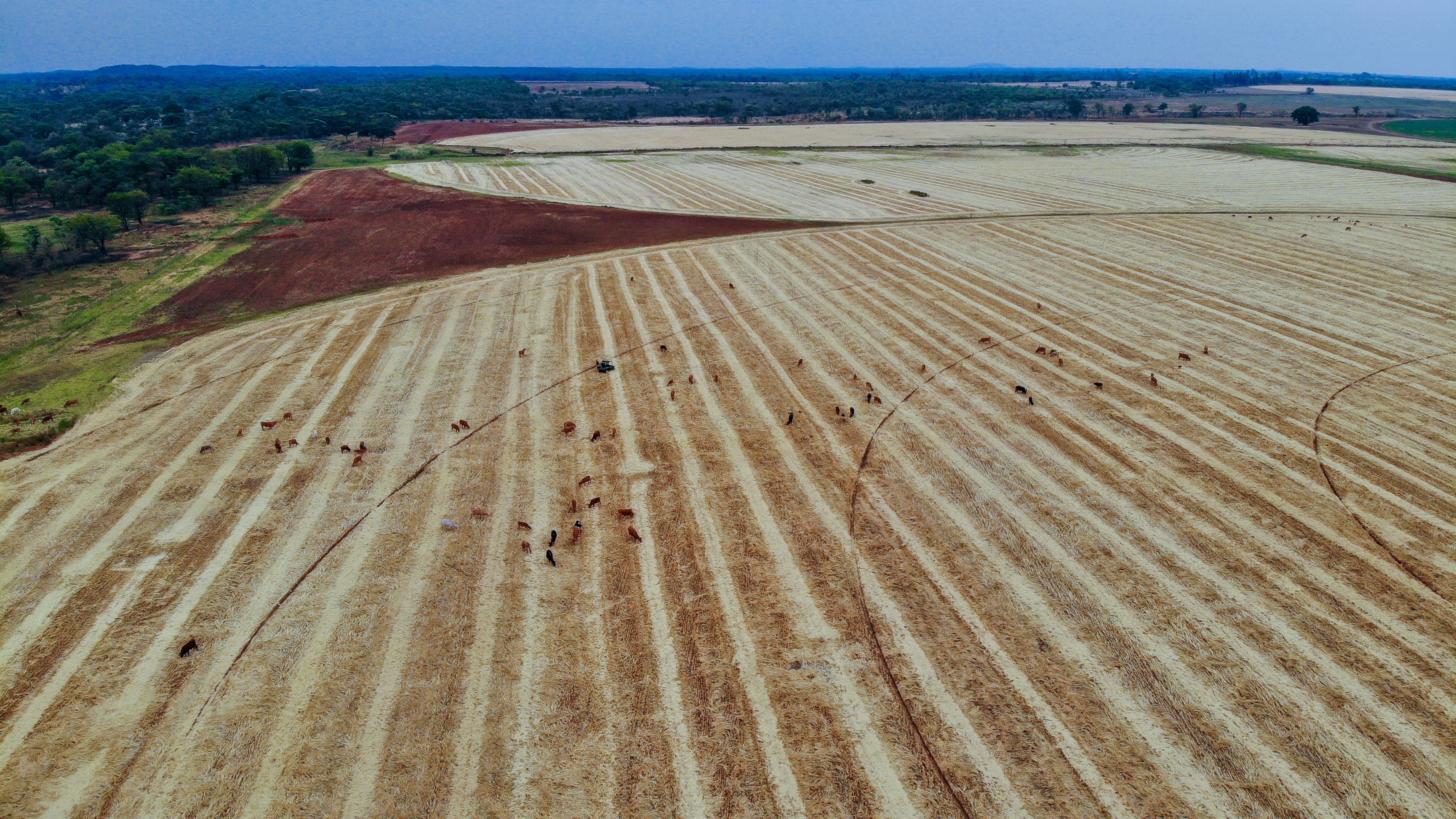
Our livestock are moved between paddocks on a planned rotation, allowing pastures to recover fully before being grazed again. This prevents overgrazing, builds soil organic matter, and maintains ground cover year-round.

Riparian Protection
We maintain unfenced buffer zones along all watercourses on the farm. These corridors protect stream banks from erosion, filter runoff, and provide habitat and movement corridors for wildlife.

Indigenous Tree Planting
Each year we plant indigenous tree species across the farm in degraded areas, along fence lines, and as windbreaks. Native trees support local biodiversity, improve soil structure, and sequester carbon.
Reduced Chemical Inputs
We apply a minimum-input philosophy across our cropping and orchard operations. Integrated pest management, composting, and cover cropping reduce our reliance on synthetic fertilisers and pesticides.
Wildlife Corridors
Sections of the farm are managed as low-disturbance zones to support resident and transient wildlife. We maintain natural vegetation in these areas and limit human activity to allow animals to move freely.
Water Conservation
We harvest rainwater, maintain farm dams, and monitor borehole usage to ensure we draw responsibly from the water table. Irrigation scheduling is based on soil moisture data to avoid over-application.

A farm alive with nature
Kwasamaita's diverse habitats, riverine woodland, open grassland, and mixed bushveld, support a wide range of resident and visiting wildlife. Antelope, warthog, Zebras, and a rich variety of birds share the farm with our livestock and crops. We monitor wildlife presence and adjust our land management to support their needs alongside our farming operations.
Teaching the next generation
Our conservation practices are integrated into the educational programmes we run for students and school groups. Visitors learn about soil health, water management, and biodiversity alongside the practical realities of running a sustainable farm. Conservation is not an abstract concept here — it is something students can see, touch, and understand.
Help us protect this land
Kwasamaita's conservation work is funded through our farming operations, experiences, and the support of visitors and partners who share our values. If you would like to learn more about how you can support our conservation efforts — through visits, partnerships, or direct contribution — we would love to hear from you.